
How the Milestone Inspection Law Affects Your Condo Association's Roof Reserves
August 11, 2026
•
Written By
Hermes Roofing
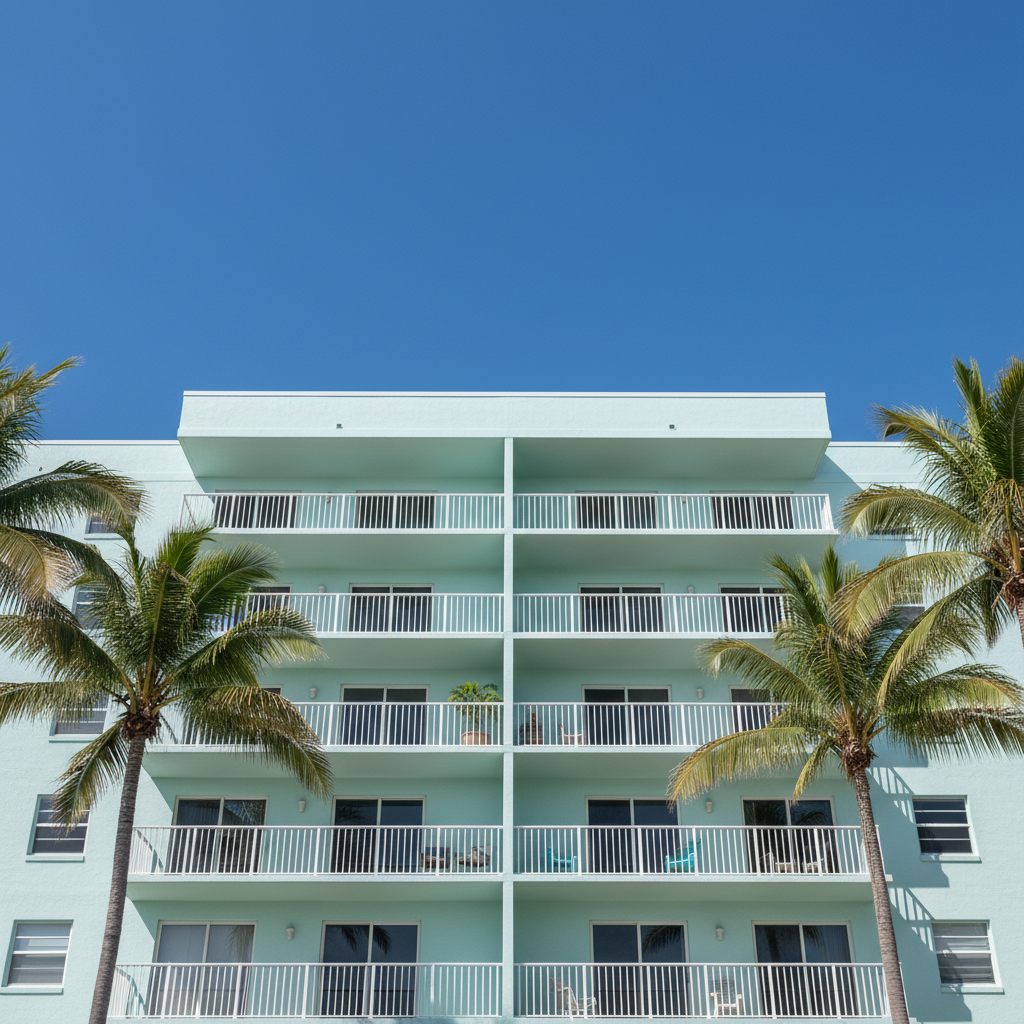
If you sit on a condo or co-op board in Palm Beach County, you've likely heard about Florida's milestone inspection law by now. The details of what it actually requires, and when, get confused often enough that it's worth laying out plainly. This law directly affects how your board budgets for roof replacement. Getting the timeline wrong can mean scrambling to fund a project the law says should have been planned for years in advance.
Key Takeaways
- Florida's SB 4-D requires a "milestone inspection" for condo and co-op buildings three stories or taller. It's generally due by the year a building turns 30, and every 10 years after that.
- Buildings within three miles of the coast can face a 25-year trigger instead of 30, but only where the local government has adopted that stricter timeline. It isn't automatic statewide.
- Since 2025, associations can no longer fully waive funding for reserves covering structural items, including roofs, the way many did in the past, though the law does allow for certain alternative funding arrangements.
- Palm Beach County's own milestone inspection program is real and active, but it isn't the same as the older county-wide 40-year recertification programs Miami-Dade and Broward counties run. Some individual municipalities within the county are developing their own local requirements too.
What Is a Milestone Inspection?
A milestone inspection is a structural safety review required under Florida's SB 4-D, which the legislature passed following the 2021 Surfside condominium collapse. It applies to condominium and cooperative buildings that are three stories or more in height. A licensed architect or engineer examines the building's structural condition, including the roof, load-bearing walls, floors, foundation, and other major structural elements, looking specifically for signs of substantial structural deterioration.
For buildings that reach 30 years of age, the initial milestone inspection is generally due by December 31 of that year. A follow-up inspection is then required every 10 years afterward. Buildings that already exceeded 30 years when the law took effect faced compressed initial deadlines. If your board hasn't confirmed where your building stands, that's the first call to make, to your building official or a licensed structural engineer, not something to guess at from a blog post.
The 25-Year Coastal Trigger Isn't Automatic
One detail that causes real confusion: the original version of SB 4-D included a 25-year inspection trigger, instead of 30, for buildings within three miles of the coastline. Senate Bill 154, passed in 2023, changed that. (Read the bill text.) The 25-year trigger is no longer an automatic statewide rule. Local governments in coastal jurisdictions now have the option to adopt the stricter 25-year timeline for buildings in their area, but they aren't required to.
Palm Beach County itself has adopted the coastal rule: the county currently states that buildings within three miles of the coastline receive their first milestone inspection at 25 years, followed by inspections every 10 years. Confirm the specifics directly with your local municipality's building department before relying on this for your own building, since local adoption can still vary from city to city within the county.
Palm Beach County Doesn't Run a Separate 40-Year Program, But It Does Have Its Own Milestone Requirements
A separate point of confusion is the older "40-year recertification" concept associated with Miami-Dade and Broward counties, both of which have maintained their own county-level recertification programs for older buildings for decades, independent of the newer statewide SB 4-D law. Palm Beach County does not currently have that same type of county-wide 40-year recertification program. That doesn't mean the county has no inspection or recertification requirements at all; its own milestone inspection program, described above, still applies to qualifying buildings.
This is also an area actively in motion. Following discussions among the county's Building Division, structural engineers, and local officials, individual municipalities within Palm Beach County have begun exploring their own recertification timelines. Boca Raton, for example, already runs its own Building Recertification Inspection Program: a 30-year initial threshold generally, with qualifying condominium and cooperative properties within three miles of the coastline subject to a 25-year threshold instead. Boards should check directly with their specific city rather than assume one countywide rule applies everywhere, and should expect this landscape to keep evolving as more municipalities weigh in.
Why This Matters for Roof Reserve Funding, Not Just Inspection Timing
The inspection requirement gets most of the attention, but the funding side of the law affects boards' budgets more directly, year after year. SB 4-D also requires a Structural Integrity Reserve Study, separate from the milestone inspection itself. The SIRS evaluates the remaining useful life and estimated replacement or deferred-maintenance cost of major structural components, the roof chief among them, and the association must fund reserves for those items based on that study.
Before this law, many associations voted to waive or reduce reserve funding for big-ticket items like roof replacement, often to keep dues lower in the short term. For structural items covered by the reserve study, including roofing, associations generally can no longer do that starting with reserve funding cycles from 2025 forward. Current law does still include certain limited exceptions and alternative ways of satisfying the funding requirement, so this isn't an absolute, no-exceptions rule. In practice, though, it's a meaningful shift: most boards can no longer simply vote to defer roof reserve funding the way some communities did in the past.
What This Means for Your Board's Roof Planning
If your building is approaching its milestone inspection age, or has already had one, the roof-specific findings from that inspection and from the Structural Integrity Reserve Study should directly inform your roofing budget and timeline. Don't let that information sit in a filing cabinet until a leak forces the issue. A few practical steps:
- Confirm your building's exact milestone inspection deadline with your building official. Don't estimate it from the building's age alone.
- Ask your engineer for a specific, itemized assessment of the roof's remaining useful life, not just a general pass or fail.
- Compare your reserve study's roof-replacement line item against actual current construction costs. Older reserve studies can understate real 2026 replacement pricing.
- Start budgeting or exploring financing options well ahead of the roof's projected end of life, rather than waiting for the inspection to force an emergency decision.
- Confirm with your city whether a local recertification requirement applies in addition to the statewide milestone inspection law. The two can overlap depending on your municipality.
Getting a Head Start on the Roof Portion of Compliance
Once your engineer's milestone inspection or reserve study flags the roof as approaching the end of its useful life, getting ahead of the actual replacement planning puts your board in a much stronger position than waiting until the deadline is imminent. That planning includes architectural review, contractor vetting, phasing, and cost. Our guide on HOA and condo roof replacement in Palm Beach County walks through that process step by step once your board is ready to move from compliance planning to an actual project.
Frequently Asked Questions
Does the milestone inspection law apply to single-family HOA communities?
No. SB 4-D specifically applies to condominium and cooperative buildings three stories or more in height. Single-family HOA communities aren't subject to this particular law, though good roof maintenance planning is still worthwhile regardless.
What happens if our building misses its milestone inspection deadline?
Missing the deadline can create liability exposure for the association and its board, and local building officials can take enforcement action. If your board is unsure of its deadline or hasn't scheduled an inspection, contacting a licensed structural engineer and your local building department promptly is the right first step.
Can our board still choose not to fund roof reserves if we vote on it?
Generally, no, not for the structural items covered by the Structural Integrity Reserve Study, roofing among them, under the current law. Starting with reserve funding cycles from 2025 forward, associations can no longer simply vote to waive or reduce those specific reserves the way they could in the past, though current law does include certain limited exceptions and alternative funding arrangements. Talk to your association's attorney about how those apply to your specific situation.
Does Palm Beach County have the same 40-year rule as Miami-Dade?
No. Palm Beach County has not adopted the same type of county-wide 40-year recertification program that Miami-Dade and Broward counties run. The county does have its own real milestone inspection requirements, and some individual municipalities are developing additional local requirements, so check directly with your specific city.
Who performs a milestone inspection?
A milestone inspection must be performed by a Florida-licensed architect or engineer. The Structural Integrity Reserve Study is a separate requirement: current law also permits certain qualified reserve specialists or professional reserve analysts to perform or verify the required visual inspection component of a SIRS. A roofing contractor can support either process with roof-specific findings and cost estimates, but the formal inspections themselves must come from the professionals the law specifies.
If your board's milestone inspection or reserve study has flagged your roof for upcoming replacement, get in touch with Hermes Roofing to talk through the project, or learn more about how we work with HOA and condo boards across Palm Beach County.
Recent Articles
HOA and Condo Roof Replacement in Palm Beach County: What Boards Need to Know
September 16, 2026
How Much Does a Roof Replacement Cost in Palm Beach County in 2026?
September 9, 2026

What to Check Before You Sign a Florida Roofing Contract
August 25, 2026
How the Milestone Inspection Law Affects Your Condo Association's Roof Reserves
August 11, 2026