
How Long Does a Roof Last in Florida? Lifespan by Roofing Material
October 23, 2026
•
Written By
Hermes Roofing

Most roofs in Florida last between 15 and 50 years, and the biggest factor is the material: asphalt shingle roofs typically last 15 to 20 years in our climate, while concrete tile and metal roofs can protect a home for 40 to 50 years or more. How long does a roof last in Florida really comes down to three things working together: the roofing material, the quality of the installation, and how well the roof holds up against our intense sun, heat, humidity, and hurricane season. Below is a clear, material-by-material breakdown for homeowners across Loxahatchee and Palm Beach County, plus the real signs it is time to start planning a replacement.
Key Takeaways
- Asphalt shingle roofs usually last 15 to 20 years in Florida, concrete and clay tile 40 to 50 years, standing seam metal 40 to 70 years, and flat or low-slope roofs 10 to 25 years depending on the membrane.
- Florida's UV exposure, heat, humidity, salt air near the coast, and tropical storms all shorten roof lifespan faster than they would in a milder climate.
- Proper attic ventilation, routine maintenance, and a licensed professional installation can add years to any roof, regardless of material.
- Age alone is not the only signal. Curling or missing shingles, cracked tile, repeated leaks, and rising energy bills are all signs you need a new roof sooner rather than later.
Why does a roof age faster in Florida?
A roof in South Florida works harder than almost anywhere else in the country. Our near-constant ultraviolet exposure breaks down roofing materials from the surface down, drying out asphalt shingles and fading protective coatings long before a roof in a cooler state would show wear. Add year-round heat, daily humidity, driving summer rain, and the wind-driven stress of hurricane season, and it becomes clear why roof lifespan Florida homeowners can realistically expect runs shorter than the manufacturer's best-case rating printed on the box.
Homes near the coast face an extra challenge: salt air accelerates corrosion on metal fasteners, flashing, and gutters. The closer you are to the ocean in coastal communities like Juno Beach or Jupiter, the more that salt exposure matters when you estimate how many good years are left in your roof. None of this means a Florida roof is doomed to fail early. It means the climate rewards smart material choices and consistent upkeep, and it punishes neglect quickly.
How long does a roof last in Florida by material type?
The single most useful way to answer the lifespan question is to look at each common roofing material on its own. Here is what we see hold up in real Palm Beach County conditions.
Asphalt shingle roofs: 15 to 20 years
Asphalt shingles are the most common roof in Florida because they are affordable and quick to install, but they also have the shortest lifespan of the major materials. A basic three-tab shingle roof often reaches only 12 to 15 years here, while a thicker architectural shingle can push 20 years or more with good ventilation and maintenance. The quality grade matters more than many homeowners realize, which is why it helps to understand the difference between a 25-year and a 30-year shingle before you choose a replacement. Florida sun is unforgiving on asphalt, so even a premium shingle rarely hits its full national lifespan rating in our heat.
Concrete and clay tile roofs: 40 to 50 years
Tile is one of the best-suited roofs for Florida. Concrete and clay tile stand up well to UV, resist fire, and shrug off heat, and the tiles themselves can last 40 to 50 years or longer. The important caveat is that the underlayment beneath the tile does not last as long. That waterproof layer typically needs replacing every 20 to 25 years, so a tile roof is often a two-stage lifespan: the tile endures while the underlayment is renewed partway through. Properly maintained, a tile roof is frequently the last roof a homeowner installs on a given house.
Metal roofs: 40 to 70 years
Metal roofing has become far more popular across South Florida, and for good reason. A quality standing seam metal roof can last 40 to 70 years, reflects heat to lower cooling costs, and performs extremely well in high wind. When homeowners weigh a metal roof vs shingle roof Florida comparison, the tradeoff is clear: metal costs more up front but often outlasts two or three shingle roofs over the same period. If you are deciding between materials, our guide to choosing the right roofing material in South Florida walks through the real cost and performance tradeoffs side by side.
Flat and low-slope roofs: 10 to 25 years
Many Florida homes, additions, and condominium buildings have flat or low-slope sections. Their lifespan depends heavily on the membrane used. Older built-up and modified bitumen systems may last 10 to 15 years, while modern single-ply membranes and quality coatings can reach 20 to 25 years. Flat roofs hold water longer than sloped roofs, so drainage and regular inspection are the difference between a membrane that reaches its full life and one that fails early.
What shortens a roof's lifespan in Florida?
Two identical roofs installed on the same street can age very differently, and the reasons are almost always the same handful of issues. Poor attic ventilation traps heat and moisture, literally cooking shingles from underneath. Skipped maintenance lets small problems like a lifted shingle or a clogged valley turn into water intrusion. Improper installation, especially around flashing, penetrations, and valleys, creates weak points that fail under the first hard storm.
Storm damage is the wild card. A single hurricane or severe thunderstorm can take years off a roof's life or end it outright. That is why addressing small issues early with timely roof repair is one of the most cost-effective things a Florida homeowner can do. Catching and sealing a minor leak is far cheaper than replacing a deck that has quietly rotted for two seasons. For a deeper look at smart upkeep, see how to extend your roof's lifespan without spending a fortune.
What are the signs you need a new roof?
Age is a starting point, not the whole story. A 12-year-old shingle roof that was poorly ventilated can be in worse shape than a well-maintained 18-year-old one. The clearest signs you need a new roof, rather than another patch, include:
- Shingles that are curling, cracking, blistering, or missing across multiple areas.
- Granules collecting in gutters and downspouts, which means the shingle surface is wearing through.
- Cracked, slipped, or broken tiles, or visible sagging anywhere along the roofline.
- Repeated leaks, water stains on ceilings, or daylight visible in the attic.
- Rising energy bills, which can point to a roof that is no longer reflecting heat or an attic that is no longer sealed and ventilated properly.
When several of these appear at once, repair stops being the economical choice. At that point it is worth comparing current roof replacement costs in Palm Beach County against the money you keep sinking into fixes, and planning a full roof replacement on your own timeline instead of after the next storm forces it.
Does Florida law affect when you replace your roof?
Yes, and it is worth understanding before you assume a repair is enough. Any roof replacement in Florida must meet the current Florida Building Code, including stricter wind-resistance and secondary water-barrier requirements that did not exist on older homes. A replacement is also a permitted job: in our area, work is reviewed and inspected through the Palm Beach County building division, so a legitimate contractor will always pull a permit rather than skip it.
Condominium and HOA owners have an added layer to consider. Florida's structural safety and reserve-funding laws can affect the timing of roof work on multi-family buildings, which we cover in our guide to HOA and condo roof replacement in Palm Beach County. The practical takeaway for any homeowner is simple: an older roof that no longer meets code is not only more likely to leak, it can also complicate insurance and the sale of your home.
How can you make your Florida roof last longer?
The good news is that most of what shortens a roof's life is preventable. Schedule a professional inspection at least once a year and after every major storm, keep gutters and valleys clear so water drains properly, and make sure your attic is ventilated well enough to release trapped heat. Trim back overhanging branches that drop debris and scuff the surface, and have minor issues repaired promptly before they spread. These habits routinely add three to five years, sometimes more, to a roof's working life. A local team that knows Loxahatchee and Palm Beach County conditions can build a maintenance plan around the exact material on your home through our roofing services.
Frequently Asked Questions About Roof Lifespan in Florida
How long does a roof last in Florida on average?
Across all materials, most Florida roofs last 15 to 50 years. Asphalt shingles average 15 to 20 years, tile and metal commonly reach 40 years or more, and flat roofs fall in between depending on the membrane. Installation quality, ventilation, and maintenance can move any of these numbers up or down significantly.
Do metal roofs really last longer than shingles in Florida?
Generally, yes. A quality metal roof often lasts two to three times as long as an asphalt shingle roof in Florida's climate, and it reflects heat better. The up-front cost is higher, but the longer lifespan and lower cooling costs often make metal the better long-term value for homeowners who plan to stay in their home.
How often should I have my Florida roof inspected?
At least once a year, and again after any hurricane or severe storm. Annual inspections catch small problems like lifted shingles, failing sealant, or clogged drainage early, while storm inspections document damage promptly in case an insurance claim is needed.
Does homeowners insurance require a roof replacement at a certain age?
Many Florida insurers now scrutinize roofs over 15 years old, and some will not write or renew a policy on a roof near the end of its expected life, especially an older shingle roof. If your roof is approaching that age, replacing it proactively can protect both your coverage and your home's value.
Get a straight answer about your roof's lifespan
If you are not sure how many good years your roof has left, the smartest move is a professional inspection from a local team that knows how Florida's climate treats every roofing material. Hermes Roofing serves homeowners across Loxahatchee and Palm Beach County, from Jupiter down through the coast, and we will give you an honest assessment rather than a sales pitch. Schedule your free roof inspection today and get a clear, no-pressure answer about whether to maintain, repair, or replace.
Recent Articles
How Long Does a Roof Last in Florida? Lifespan by Roofing Material
A material-by-material guide to how long roofs really last in Florida's climate, from asphalt shingle to tile and metal, plus the clear signs it is time to replace.
October 23, 2026
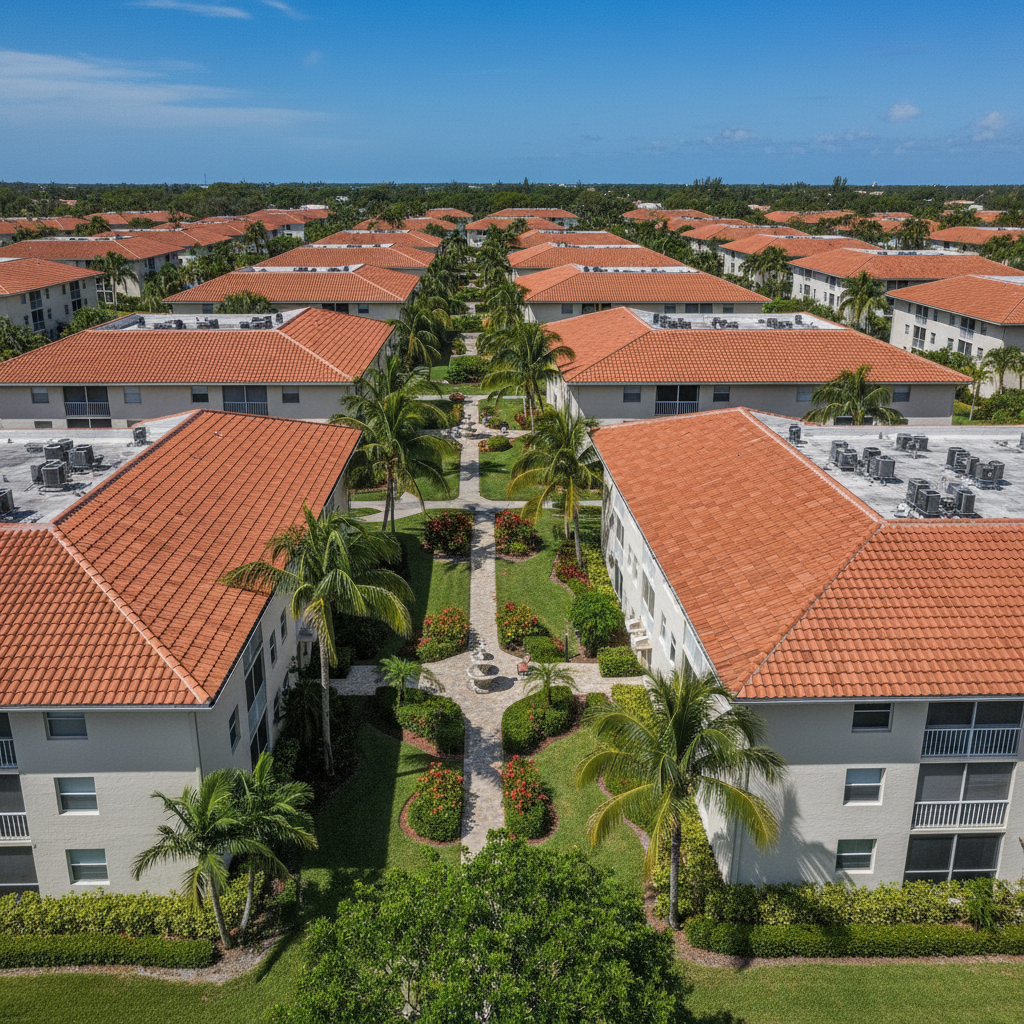
HOA and Condo Roof Replacement in Palm Beach County: Strategic Guide for Association Boards
September 16, 2026
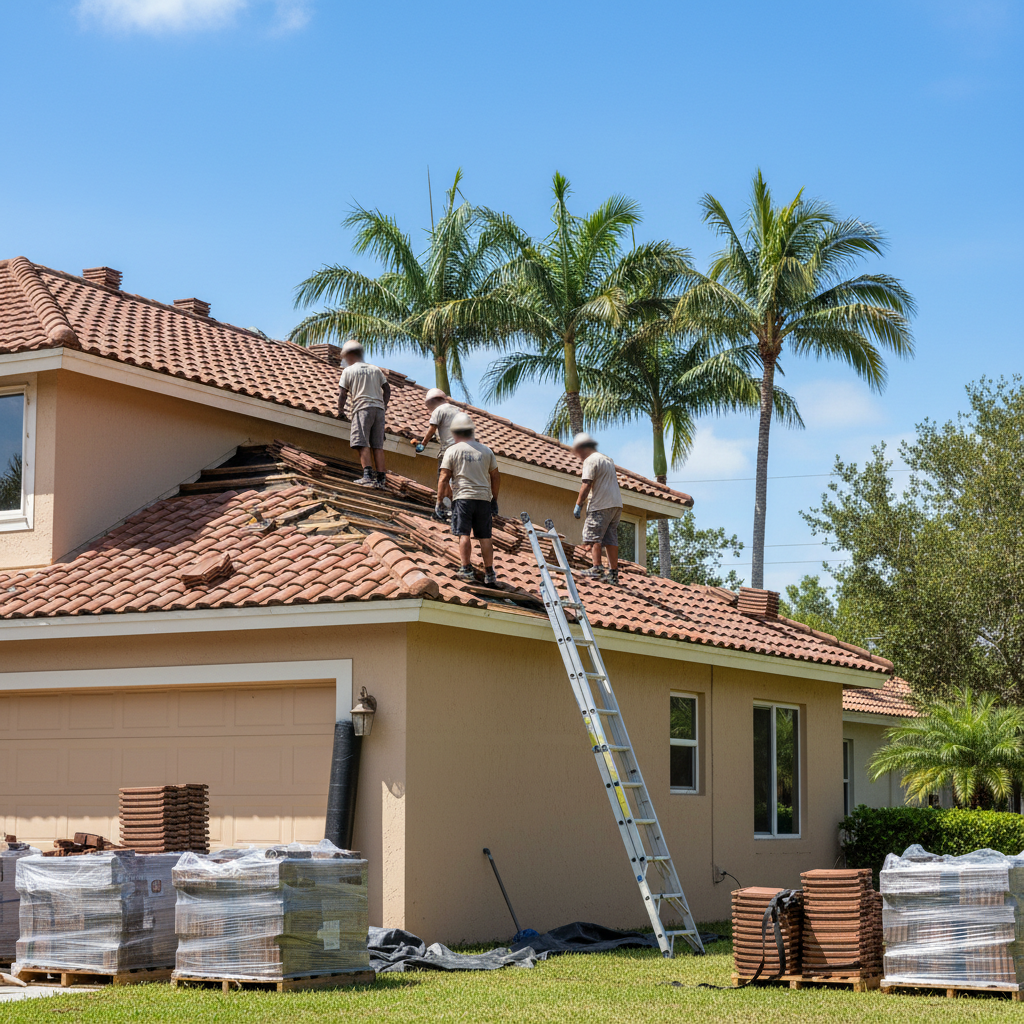
How Much Does a Roof Replacement Cost in Palm Beach County in 2026?
September 9, 2026
What to Check Before You Sign a Florida Roofing Contract
August 25, 2026