Mold, Moisture & Your Roof: Why Florida's Summer Is the Worst Time to Delay Repairs
July 3, 2026
•
Written By
Hermes Roofing
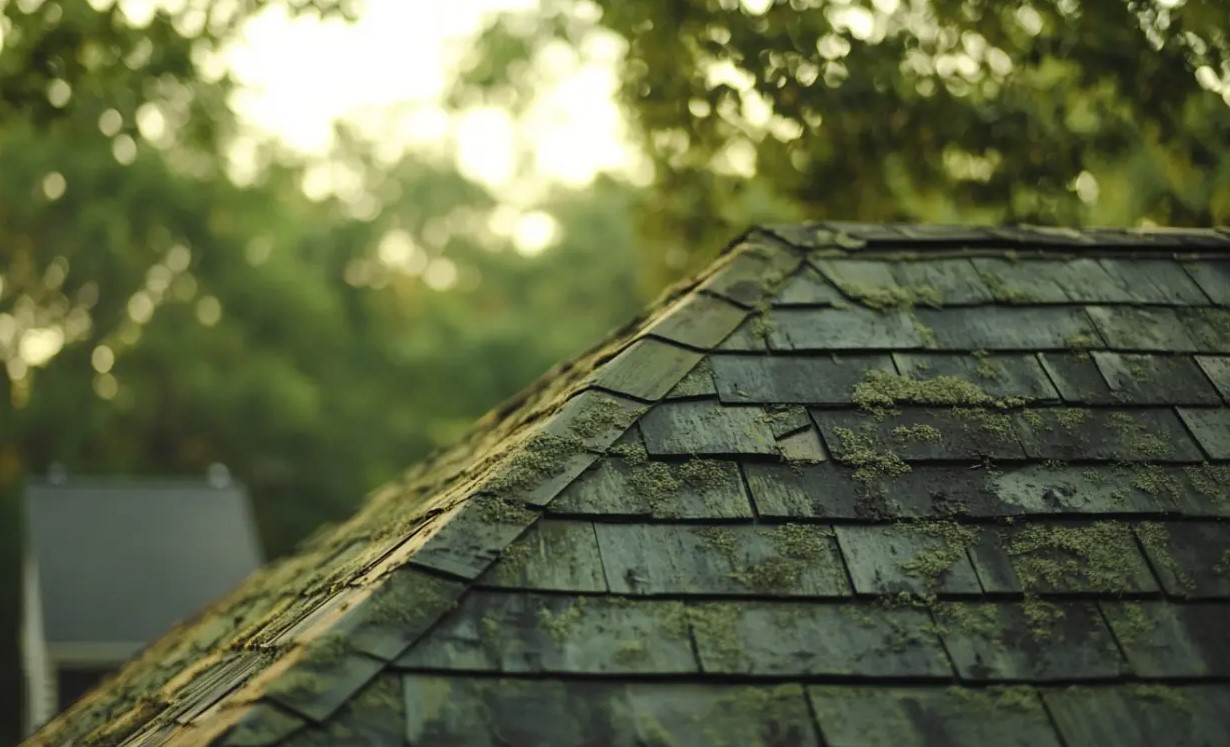
Do you think your roof has mold or moisture issues? If so, it is not a good idea to wait, especially during a Florida summer. Between the heat, humidity, and frequent afternoon storms, small roofing problems can escalate quickly. What may have started as a minor leak or a little discoloration can quickly lead to moisture buildup, mold growth, and more extensive roof damage.
At Hermes Roofing, we help homeowners across South Florida identify roofing problems early and provide quality roof repairs before they have the chance to worsen. If you are concerned about roof mold, moisture, or signs of water damage, understanding why summer creates the perfect conditions for these issues can help you protect your home.
Why Florida Summers Make Moisture Problems Worse
Florida's climate is tough on roofing systems. Summer brings nearly daily rain, high humidity, intense sunshine, and long periods of heat. All of that moisture has to go somewhere.
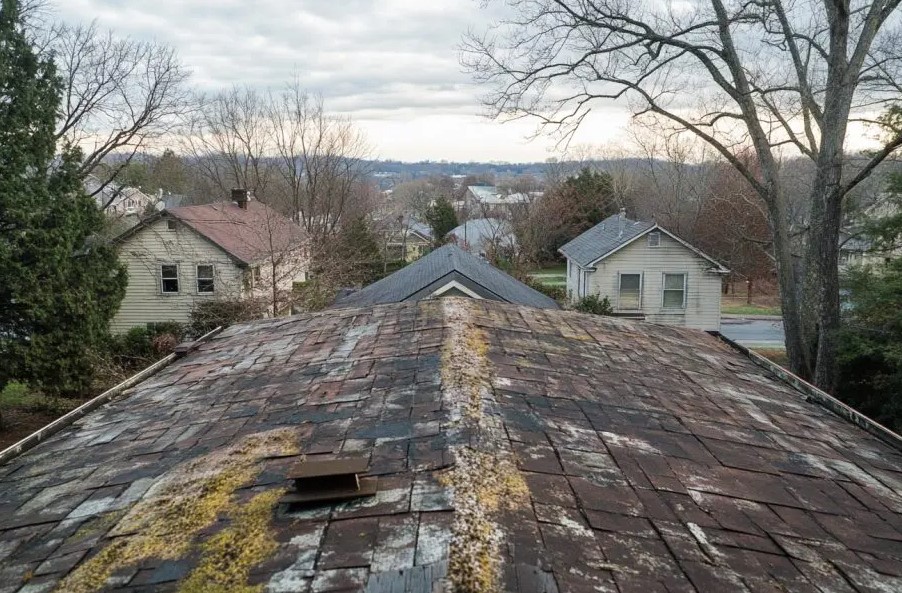
If your roof has damaged shingles, cracked flashing, aging sealants, or another opening, water can work its way inside. Even a small amount of trapped moisture can create ongoing problems when temperatures stay warm.
Unlike cooler climates, where materials may have time to dry between storms, Florida's humid conditions often slow that process. Moisture can remain trapped beneath roofing materials or inside the attic for extended periods, creating ideal conditions for mold growth.
How Roof Mold Can Develop
Many homeowners think mold only appears after a major leak. In reality, it often starts much more quietly.
Small leaks, poor ventilation, or lingering moisture can all contribute to mold growth over time. Once moisture remains in dark, enclosed spaces, mold can begin growing on wood, insulation, drywall, and other building materials.
Some warning signs include:
- Water stains on ceilings
- Musty odors inside your home
- Visible mold in the attic
- Damp insulation
- Peeling paint near ceilings
- Dark streaks or discoloration around roofing materials
While every stain or dark area is not necessarily mold, these signs should never be ignored. A detailed roof inspection can help determine whether your roof is allowing moisture inside.
Moisture From Roof Problems Can Affect More Than Roofing Materials
When people think about roof damage, they often picture missing shingles. However, moisture from roof leaks can affect many other parts of your home.
Water may reach:
- Roof decking
- Attic framing
- Insulation
- Drywall
- Interior ceilings
- Electrical components in some situations
The longer moisture remains inside the structure, the more repairs may eventually be needed. Addressing roofing issues early is often much simpler than waiting until multiple areas of the home have been affected.
Why Waiting Until Fall Can Be Risky
Some homeowners hope a roof problem can simply wait until the weather cools down. Unfortunately, Florida summers rarely give roofs much of a break.
Heavy afternoon thunderstorms can repeatedly expose damaged areas to more water. Hurricane season also overlaps with the hottest months of the year. If your roof already has weak spots, additional rain and strong winds may make those areas worse.
Scheduling an inspection when you first notice a concern allows you to better understand your roof's condition and make informed decisions about any needed repairs.
How to Handle It If Your Roof Has Mold
If you are wondering how to handle if roof has mold, the first step is to avoid ignoring the problem.
Rather than assuming the mold is only a cosmetic issue, it is important to identify why moisture is present in the first place. Simply cleaning visible mold without addressing the source of the moisture may allow the problem to return.
A roofing professional can inspect your roofing system to determine whether damaged shingles, flashing, roof penetrations, or other roofing components are allowing water inside. Once the source is identified, appropriate roof repairs can help reduce ongoing moisture intrusion.
If mold has affected areas inside the home, additional evaluation by the appropriate professionals may also be necessary, depending on the extent of the damage.
Preventing Future Moisture Problems
No roof lasts forever, but regular maintenance can help reduce the chance of moisture-related issues developing.
Homeowners can help protect their roof by:
- Scheduling periodic roof inspections
- Addressing damaged shingles promptly
- Keeping gutters functioning properly
- Watching for signs of interior water stains
- Checking the attic after major storms when it is safe to do so
- Having roof concerns evaluated instead of waiting for leaks to become larger
Catching problems early often helps prevent more extensive repairs later.
Hermes Roofing Is Here to Help South Florida Homeowners
At Hermes Roofing, we understand the challenges South Florida weather creates for local roofs. Our experienced team provides residential roof repair, roof replacement, and roof installation for asphalt shingle, tile, metal, flat, and impact-resistant roofing systems. We also offer gutter repair and replacement to help move water away from your home properly.
If you have noticed signs of roof mold, suspect moisture intrusion, or simply want peace of mind before the next round of summer storms, our team is here to provide an honest assessment of your roof's condition. Our roofing team is proud to serve South Florida homeowners with clear communication, quality workmanship, and dependable service that helps keep homes protected through every season.
Recent Articles
HOA and Condo Roof Replacement in Palm Beach County: Strategic Guide for Association Boards
September 16, 2026
How Much Does a Roof Replacement Cost in Palm Beach County in 2026?
September 9, 2026

What to Check Before You Sign a Florida Roofing Contract
August 25, 2026
How the Milestone Inspection Law Affects Your Condo Association's Roof Reserves
August 11, 2026