
Skylight Leak Repair: What Florida Homeowners Should Know
November 4, 2026
•
Written By
Hermes Roofing

Skylight leak repair almost always comes down to one of three things: failed flashing where the skylight meets the roof, a broken seal or cracked glazing on the unit itself, or condensation that only looks like a leak. A caulk patch can stop the drip for a few weeks, but in Florida's sun, heat, and storm season, a lasting fix means finding which of those three is really at work and repairing it at the source. This guide walks Palm Beach County homeowners through how professionals diagnose a leaking skylight, what Florida's weather and building code add to the picture, and how to decide between a targeted repair and a full replacement.
One thing to know up front: a stain on the ceiling rarely sits directly below the real entry point, because water travels along rafters and underlayment before it shows up.
Key Takeaways
- Most skylight leaks in Florida start at the flashing or the roofing materials around the unit, so sealing the glass alone rarely solves the problem.
- Water spots that appear on cool mornings or after the AC has been running hard are often skylight condensation, which is a ventilation and humidity issue that a roofer should rule out before replacing anything.
- Wet drywall and insulation should be dried within 24 to 48 hours to prevent mold growth, according to the U.S. EPA, so a slow skylight leak deserves prompt attention.
- When the roof itself is near the end of its life, replacing the skylight during the reroof is usually a smarter long-term investment than repairing it twice.
Why do skylights leak in Florida?
A skylight stays dry only when several layers work together: the roofing around it, the metal flashing that channels water past it, the underlayment beneath it, and the unit's own seals. Florida stresses every one of them.
Year-round UV dries out gaskets and sealants quickly. Daily heat cycles make metal flashing expand and contract, slowly loosening fasteners and opening seams. Wind-driven rain during tropical storms pushes water sideways and even uphill under flashing that sheds normal rain without trouble.
Homes near the ocean face one more factor. Salt air corrodes metal flashing and fasteners, so a coastal skylight can develop pinhole leaks in its flashing years earlier than one a few miles inland. If you own a home on the barrier island, the guidance we give for roofing in Highland Beach applies directly: inspect metal components more often, and choose corrosion-resistant materials whenever flashing is replaced.
Is it a leak, failed flashing, or condensation?
Before any skylight repair begins, a good roofer identifies the real source. These three culprits look similar from inside the house but call for very different fixes.
Failed or poorly installed skylight flashing
This is the most common cause we find. Skylight flashing is the system of metal pieces that wraps the curb or frame of the skylight and laps under and over the surrounding roofing so water flows around the opening. Over time, flashing can rust, separate, or lose the sealant at its seams. Just as often, the flashing was never installed correctly in the first place: some installers rely on roofing cement instead of properly lapped step flashing and a head flashing at the uphill side. Leaks from flashing usually show up during or right after rain, often at the uphill corners of the skylight shaft.
Broken seals, cracked glazing, or a worn-out unit
The skylight itself can fail too. Acrylic domes, common on older Florida homes, turn yellow and brittle under constant sun and eventually crack. Glass units can lose the gasket that seals the glazing to the frame. Fogging between two panes of glass means the insulated seal has failed; that does not usually let rain in, but it tells you the unit is aging. Leaks from the unit often appear along the frame edges in any rain.
Skylight condensation
Not every drip is a roof problem. Skylight condensation forms when warm, humid indoor air hits the cooler surface of the glass or the shaft, especially in homes that run the air conditioning hard while outdoor humidity stays high. The water runs down the frame and drips onto the ceiling. Clues that point to condensation include water on clear, dry days, moisture that appears on cool mornings, and droplets visible on the inside of the glass. The fix is ventilation and humidity control, so rule it out before paying for flashing work you do not need.
When does DIY skylight leak repair fail?
Most online advice for a leaking skylight starts and ends with a tube of sealant. A temporary patch is fine to protect your ceiling until a professional can look at it, but sealant treats the symptom. If the real problem is flashing lapped the wrong way, or underlayment that has deteriorated under tile, surface caulk just moves the leak a few inches over. Exposed sealant also breaks down fast in Florida sun, so the same spot often leaks again by the next rainy season.
Roof access is the other concern. Walking on concrete or clay tile cracks tiles easily, creating a brand-new leak path next to the skylight. Call a pro instead of grabbing the caulk gun when:
- The leak has returned after a previous sealant fix.
- The roof is tile, metal, or steep enough that walking on it is unsafe.
- You see stains spreading across the ceiling, sagging drywall, or a musty smell in the shaft.
- The skylight is more than 15 years old or the dome is cracked, yellowed, or fogged.
- The leak started right after a storm and you may need documentation for an insurance claim.
If any of these apply, a targeted inspection as part of professional roof repair will usually cost less than chasing the same leak through several rounds of patching.
How do hurricanes and storm season affect skylights?
The Atlantic hurricane season runs from June 1 to November 30, according to the National Hurricane Center, and skylights take some of the hardest hits during those months. High winds lift shingles and tile around the curb, flying debris can crack a dome, and sustained wind-driven rain forces water past flashing that performs fine in normal weather.
After any major storm, check the ceiling around each skylight and look at the units from the ground for cracks, missing tiles, or debris. If water is actively coming in, our guide on what to do if your roof leaks during a Florida storm covers the safety steps and how to limit interior damage until help arrives.
Speed matters even for a small drip. The U.S. EPA notes that water-damaged materials dried within 24 to 48 hours usually will not grow mold. In our humidity, a hidden leak that soaks insulation for weeks can become a mold problem far costlier than the repair. Storm-exposed neighborhoods like Palm Beach Shores and the rest of the coastline see this pattern every season.
What does Florida's building code require for skylights?
Skylights sold for installation in Florida need state product approval or an approved local equivalent, which you can look up through the Florida Building Commission's product approval system. In wind-borne debris regions, which cover much of coastal Palm Beach County, the code treats skylights as glazed openings that must resist impact or be protected. Palm Beach County sits outside the High-Velocity Hurricane Zone, which applies only to Miami-Dade and Broward counties, but it still carries demanding wind-load requirements that a replacement skylight and its flashing must meet.
Replacing a skylight unit, or doing roof work around one, typically requires a permit. Requirements vary by city, so a contractor should confirm the details with the Palm Beach County building division or your municipality before work starts. You can also verify that your roofer holds an active Florida license through the DBPR license search. Skipping the permit or product approval can cause trouble with inspections, insurance, and resale.
Should you repair or replace a leaking skylight?
A focused skylight leak repair makes sense when the unit itself is in good shape and the problem is limited to the flashing, a section of underlayment, or a few damaged shingles or tiles around the curb. Re-flashing a sound skylight with a proper step flashing and head flashing kit restores a reliable seal without the cost of a new unit.
Replacement is usually the better choice when:
- The dome is cracked, brittle, or heavily yellowed, or the glass is fogged between panes.
- The frame is rotted, warped, or corroded.
- The skylight has leaked repeatedly despite earlier repairs.
- The roof around it is due for replacement within the next few years.
That last point is the one homeowners most often overlook: flashing work on an aging roof gets torn off and redone at the reroof. If you are unsure how much life your roof has left, our breakdown of how long a roof lasts in Florida by material is a helpful starting point. When the timing lines up, installing a new code-approved skylight as part of a new roof installation gives you fresh flashing, fresh underlayment, and a fresh unit that all age together. Many older homes in established neighborhoods, like the ones we serve as a roofing contractor in Lake Worth, reach exactly this crossroads.
What to expect from a professional skylight repair
Our skylight work follows the same four-step process we use for every repair, adapted to the details that matter around a roof opening.
- On-site evaluation. We inspect the skylight from the roof and the interior, using drone imaging when the pitch or tile makes walking unsafe. We check the flashing laps, the curb, the surrounding roofing, and the shaft for signs of condensation, then explain in plain language which of the three causes we found.
- Professional repair. Depending on the diagnosis, that may mean re-flashing the skylight with a properly lapped kit, replacing damaged underlayment and tile or shingles around the curb, resealing or replacing the unit, or recommending ventilation changes for a condensation issue.
- Meticulous clean-up. We haul away old flashing, broken tile, and debris.
- Lasting commitment. We stand behind the work and stay available for questions long after the repair.
We do not handle insurance claims directly, but if storm damage caused the leak, we can provide a thorough inspection report with photos to support your conversation with your insurance provider.
Frequently Asked Questions About Skylight Leak Repair in Florida
How do I know if my skylight is leaking or just has condensation?
Watch when the water appears. Drips during or right after rain point to a leak in the flashing or unit. Moisture that shows up on dry days, on cool mornings, or as droplets on the inside of the glass usually means condensation from indoor humidity. A roofer can confirm it with a moisture check of the surrounding drywall and roof deck.
Can a leaking skylight be repaired without replacing it?
Yes, in many cases. If the skylight unit is still sound and the leak comes from flashing, sealant, or the roofing around the curb, re-flashing and repairing those materials will stop the leak. Replacement makes more sense when the dome or glass is cracked, the frame is damaged, or the roof itself is close to needing replacement.
Do I need a permit to replace a skylight in Palm Beach County?
Replacing a skylight unit generally requires a permit, and the new skylight must carry Florida product approval and meet local wind-load requirements. Rules can vary by municipality, so a licensed contractor should confirm the specifics with your local building division before installation.
Get your skylight leak fixed at the source
A skylight leak is easiest and least expensive to fix early, before water reaches insulation, framing, or drywall. Hermes Roofing serves homeowners across Loxahatchee and Palm Beach County with honest diagnosis and repairs built for Florida weather. Request your free roof evaluation today and find out exactly why your skylight is leaking and what it will take to fix it for good.
Recent Articles
Skylight Leak Repair: What Florida Homeowners Should Know
How Florida homeowners can tell a flashing leak from a failed seal or simple condensation, what storm season and the building code add, and when to repair versus replace a skylight.
November 4, 2026
How Long Does a Roof Last in Florida? Lifespan by Roofing Material
A material-by-material guide to how long roofs really last in Florida's climate, from asphalt shingle to tile and metal, plus the clear signs it is time to replace.
October 23, 2026
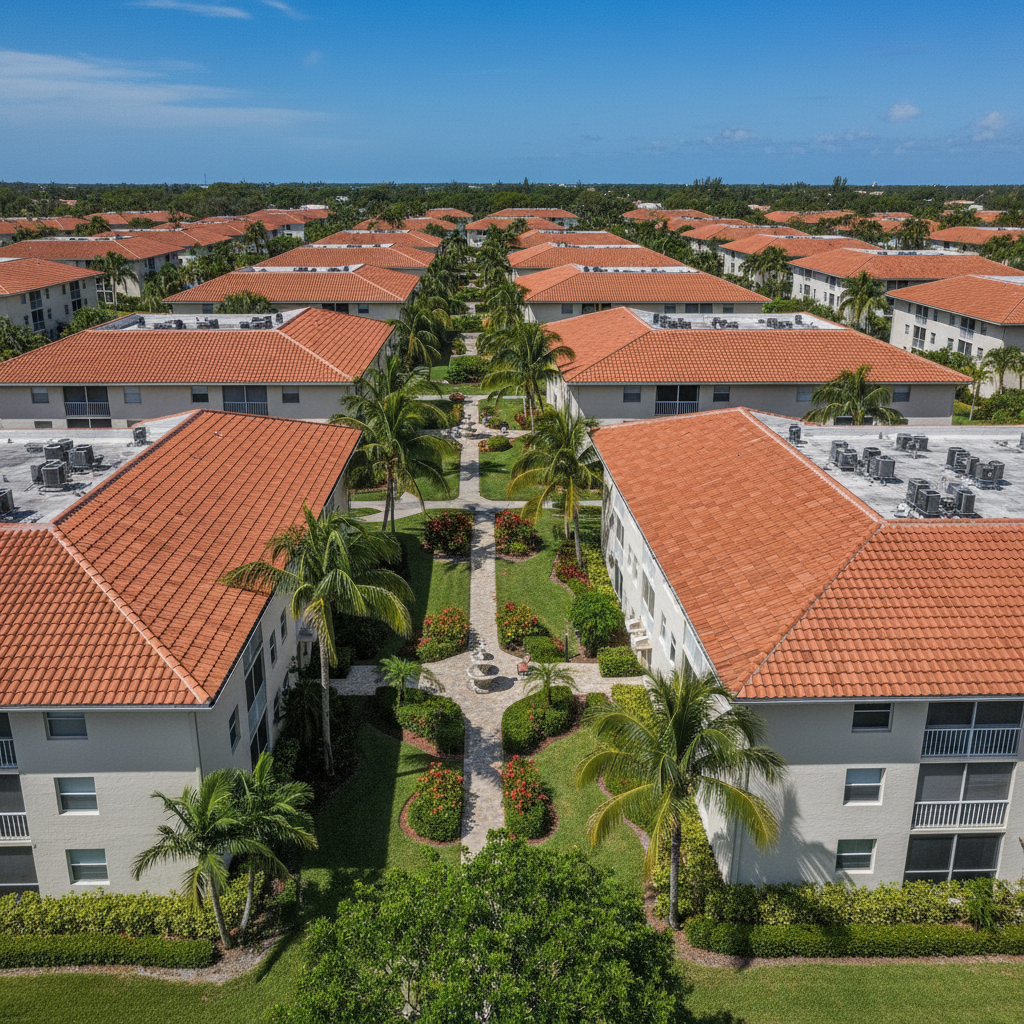
HOA and Condo Roof Replacement in Palm Beach County: Strategic Guide for Association Boards
September 16, 2026
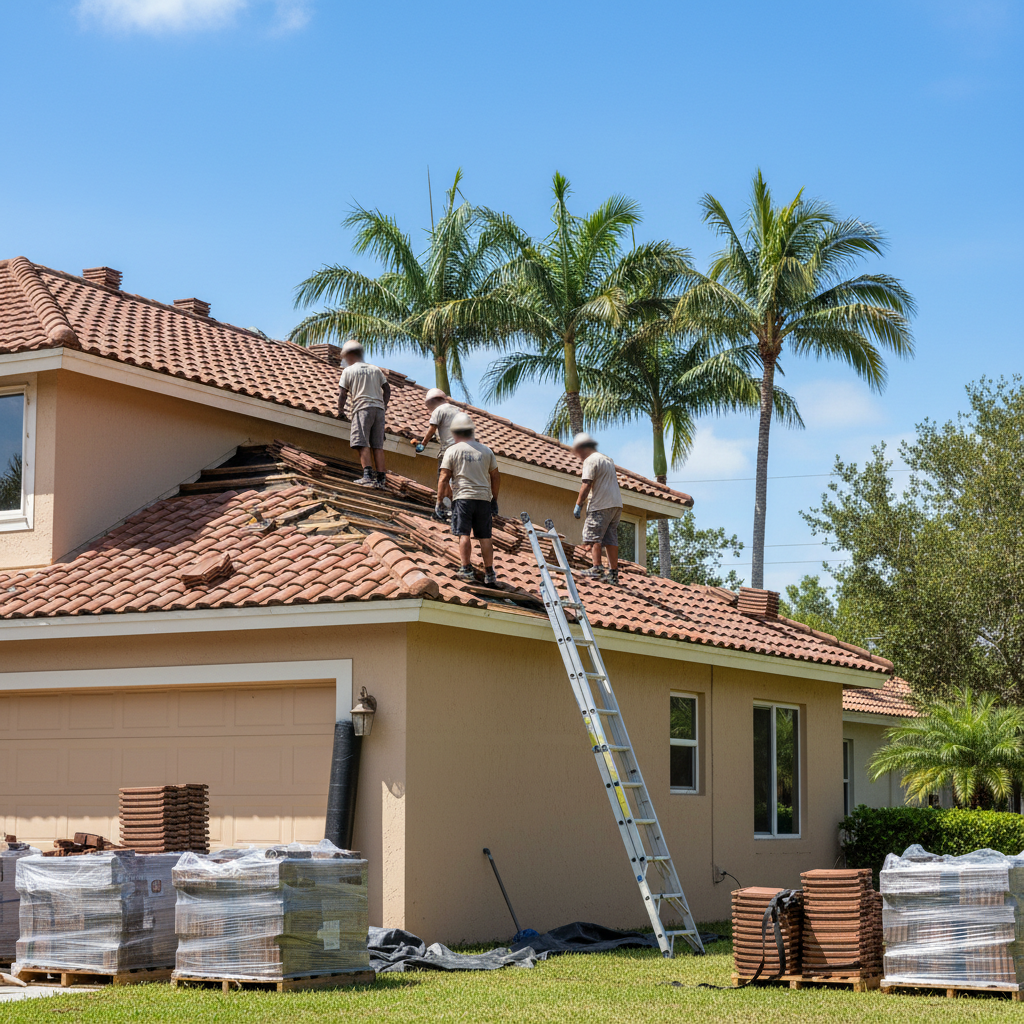
How Much Does a Roof Replacement Cost in Palm Beach County in 2026?
September 9, 2026